



The answer lies in balance.
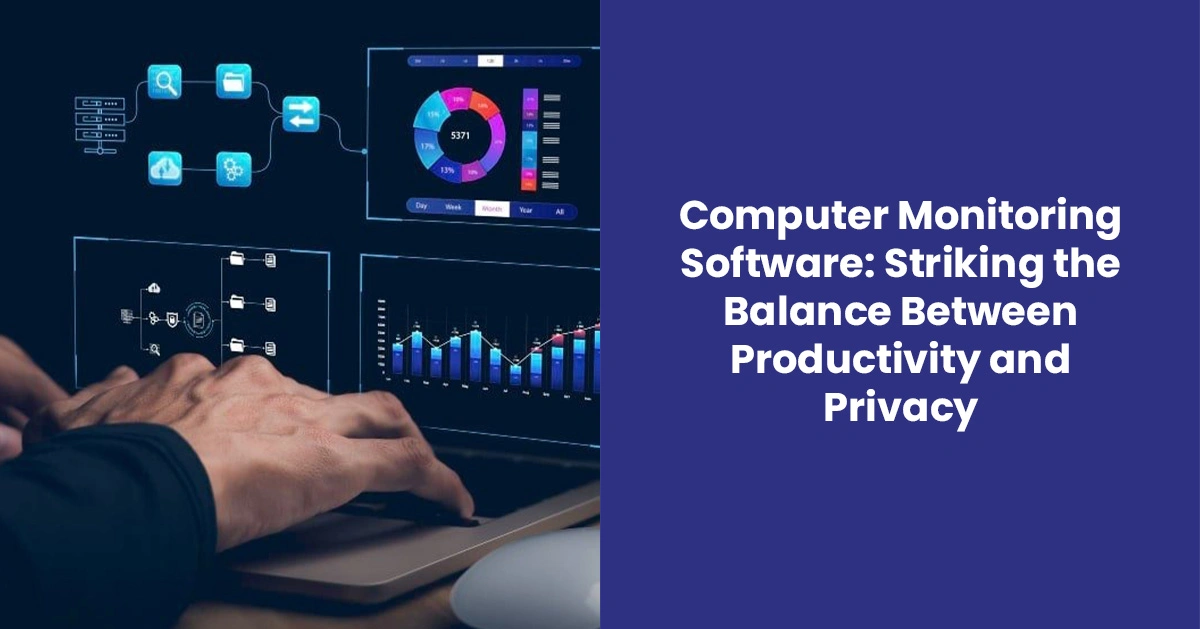
Used thoughtfully, computer monitoring software can be a powerful tool for performance improvement and organizational visibility. Misused, it can easily become a source of resentment, disengagement, and even legal risk. In this article, we’ll explore how to use monitoring software responsibly—boosting efficiency while respecting employee privacy and maintaining a culture of trust.
What Is Computer Monitoring Software?
Computer monitoring software refers to digital tools that allow companies to observe, record, or analyze employee activities on work devices. These tools can track various metrics such as:
- Application and website usage
- Keystrokes and mouse activity
- Idle versus active time
- File access and data transfers
- Screenshots or screen recordings
- Email and chat communication (in some cases)
For employers, these insights can help identify productivity patterns, detect potential security breaches, and evaluate workload distribution. However, the scope and transparency of monitoring vary widely between organizations—and that’s where the ethical line comes into play.
The Case for Monitoring: Why Companies Use It
Modern workforces are more dispersed, digital, and autonomous than ever. Monitoring software helps employers:
- Maintain accountability across remote and hybrid teams
- Protect sensitive data from unauthorized access or leaks
- Identify inefficiencies in workflows and time allocation
- Support performance evaluations with objective metrics
- Comply with industry regulations related to data handling and access
When used ethically, monitoring can actually improve both business outcomes and employee well-being—by revealing workloads that are too heavy, underutilized talent, or the need for better process automation.
Where It Goes Wrong: The Privacy Backlash
The biggest mistake companies make with computer monitoring software is implementing it without transparency.
When employees feel they are being secretly watched or excessively scrutinized, the reaction is often one of fear and mistrust. Productivity may suffer, morale can drop, and top performers may start looking elsewhere.
Common pitfalls include:
- Surveillance without consent or disclosure
- Excessive data collection (e.g., monitoring personal messages or off-hours activity)
- Using monitoring as a disciplinary tool rather than a performance support tool
- Failing to explain the purpose behind monitoring or how the data will be used
If employees believe they’re being spied on, no amount of good intention will save the relationship.
Transparency Is the New Productivity Hack
The most successful organizations using computer monitoring software do so openly and with employee input. Transparency doesn’t weaken the effectiveness of monitoring—it actually strengthens it.
Here’s how to build trust:
1. Communicate the Why
Before implementation, clearly explain to your team why monitoring software is being introduced. Is it to improve project tracking? Protect client data? Identify opportunities for better time management?
Framing the conversation around mutual benefit helps eliminate suspicion.
2. Define What Is Being Monitored
Be specific about what data is being collected and what isn’t. Make it clear that personal files, private messages, or off-hours activities are off-limits unless there's a compliance reason. This shows respect for employee boundaries.
3. Involve Employees in the Process
Get feedback from your team before and after rolling out monitoring tools. This not only helps surface valid concerns but also gives employees a sense of ownership over the system.
4. Set Clear Policies and Expectations
Include monitoring practices in your employee handbook or remote work policy. Clarify how data will be used, who has access, and what actions (if any) might result from certain behaviors.
Choosing Ethical Monitoring Software: What to Look For
When selecting a computer monitoring solution, choose one that’s transparent, flexible, and privacy-conscious. Look for features like:
- Customizable data tracking (monitor only what’s necessary)
- User consent settings
- Role-based access controls for sensitive data
- Real-time dashboards instead of hidden logging
- Time tracking with employee visibility and control
- Audit trails to ensure accountability on both sides
Tools like Monitask, Teramind, and ActivTrak offer these features and are designed to support productivity without creating a “big brother” effect.
Shifting the Culture: From Surveillance to Support
Ultimately, the goal of computer monitoring shouldn’t be to catch people slacking—it should be to enable better work. When positioned as a tool for improvement rather than punishment, monitoring can help:
- Highlight peak performance times
- Uncover inefficient workflows
- Inform better project planning
- Identify team members who may be overwhelmed or underutilized
- Reveal training or support gaps
It’s about using data to empower, not control.
Legal Considerations: Know the Rules
Depending on where your company and employees are based, privacy laws and regulations may apply. For example:
- In the EU, the GDPR requires explicit employee consent and strong data protection.
- In several U.S. states, employers must notify employees before monitoring.
- In Canada, employee monitoring must be justified, reasonable, and proportional.
Always consult legal counsel before rolling out monitoring tools to ensure compliance with local regulations and labor laws.
Final Thoughts: Technology Is Only as Ethical as Its Implementation
Computer monitoring software, like any workplace tool, is neutral—it can be used to support productivity, or it can be misused in ways that harm morale and violate privacy.
The difference comes down to intent, communication, and consent.
If you implement monitoring thoughtfully, involve your employees, and focus on creating mutual value, you’ll find that visibility doesn’t have to come at the cost of trust. In fact, when used ethically and transparently, computer monitoring software can become a cornerstone of modern, flexible, and high-performing workplaces.
FAQ: Computer Monitoring Software and Employee Privacy
Q1: Is it legal to monitor employees’ computer activity?
In many regions, yes—but there are rules. Laws vary depending on your location. In the U.S., employers generally have the right to monitor devices they own, but some states require employee consent. In the EU, GDPR mandates clear justification and transparency. Always provide notice and get legal advice before implementation.
Q2: What should companies communicate to employees before rolling out monitoring software?
Be upfront. Explain what will be monitored, why it's being done, how the data will be used, and who will have access to it. Also, clarify what will not be monitored (e.g., personal messages or off-hours activity, if applicable). Including this in your official policies ensures consistency and trust.
Q3: Can monitoring software improve productivity without micromanaging?